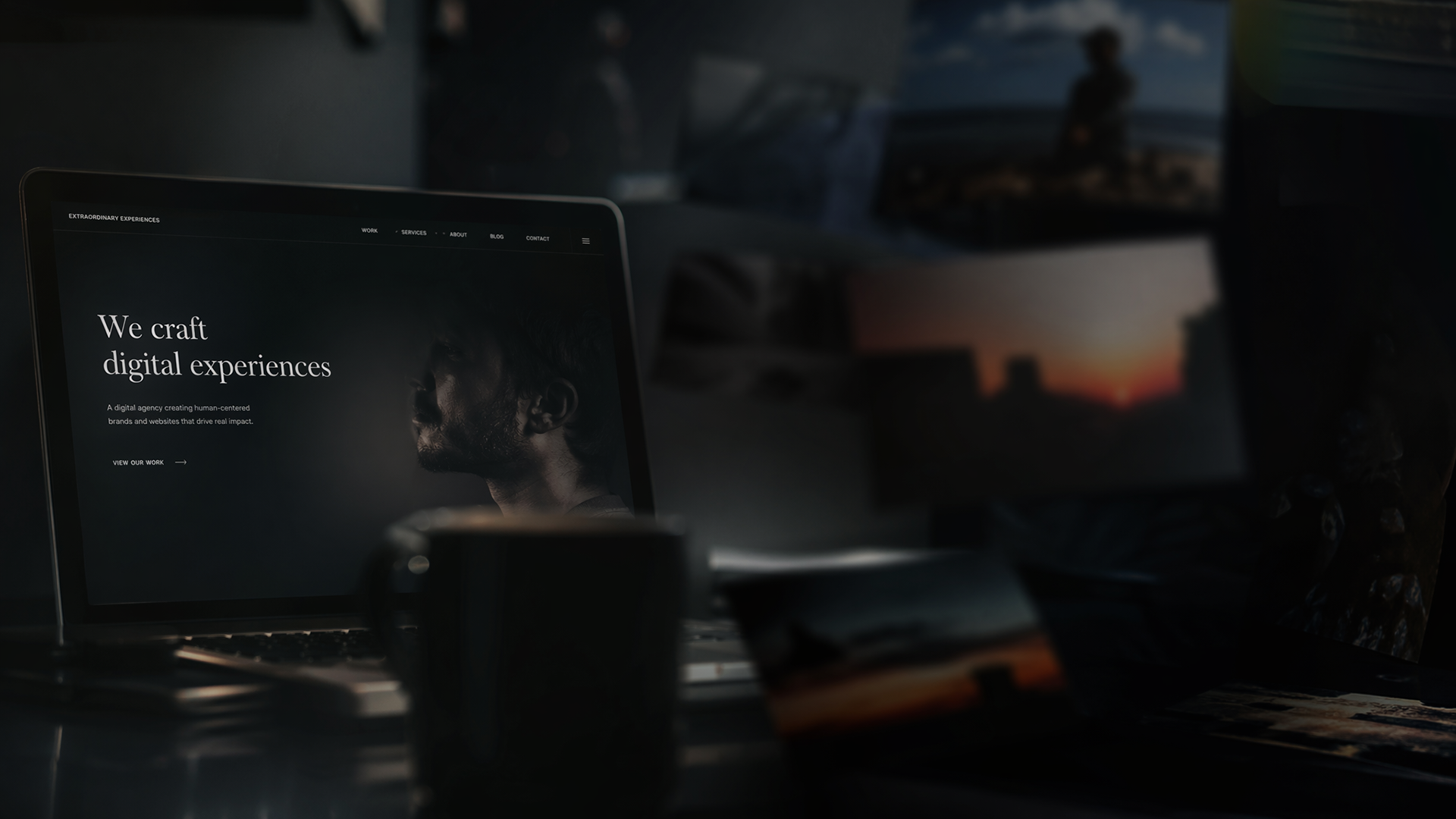

Beyond the Website: Why Your Brand Is More Than a Homepage
For many organizations, the website becomes the primary focus of design.
It’s visible. It’s measurable. It feels like the center of everything.
But in reality:
Your website is not your brand.
It is only one expression of it.
The Misconception: The Website as the Brand
It’s easy to understand why this happens.
For many people, the website is the first interaction they have with a company—and that impression forms almost instantly. Research shows that users form an opinion about a website in as little as 50 milliseconds, with visual design playing a dominant role in how credibility is perceived.¹
Because of this, organizations invest heavily in redesigning their websites—treating them as the primary vehicle for communication.
But a website cannot carry the full weight of a brand.
In fact, much of today’s digital traffic doesn’t even begin on the homepage. Many users arrive directly on internal pages through search, content, or external links—interacting with fragments of a brand rather than a single, controlled experience. Adobe’s digital experience insights emphasize that users enter digital experiences that users enter through multiple channels, with discovery driven by search, campaigns, and external referrals rather than a single entry point.²
The brand exists beyond the page.
The Reality: Brands Are Systems
A brand is not a single destination. It is a system of interactions.
It lives across:
• presentations
• PDFs and reports
• social media
• marketing campaigns
• trade show environments
• internal communications
Each of these touchpoints contributes to how a brand is understood.
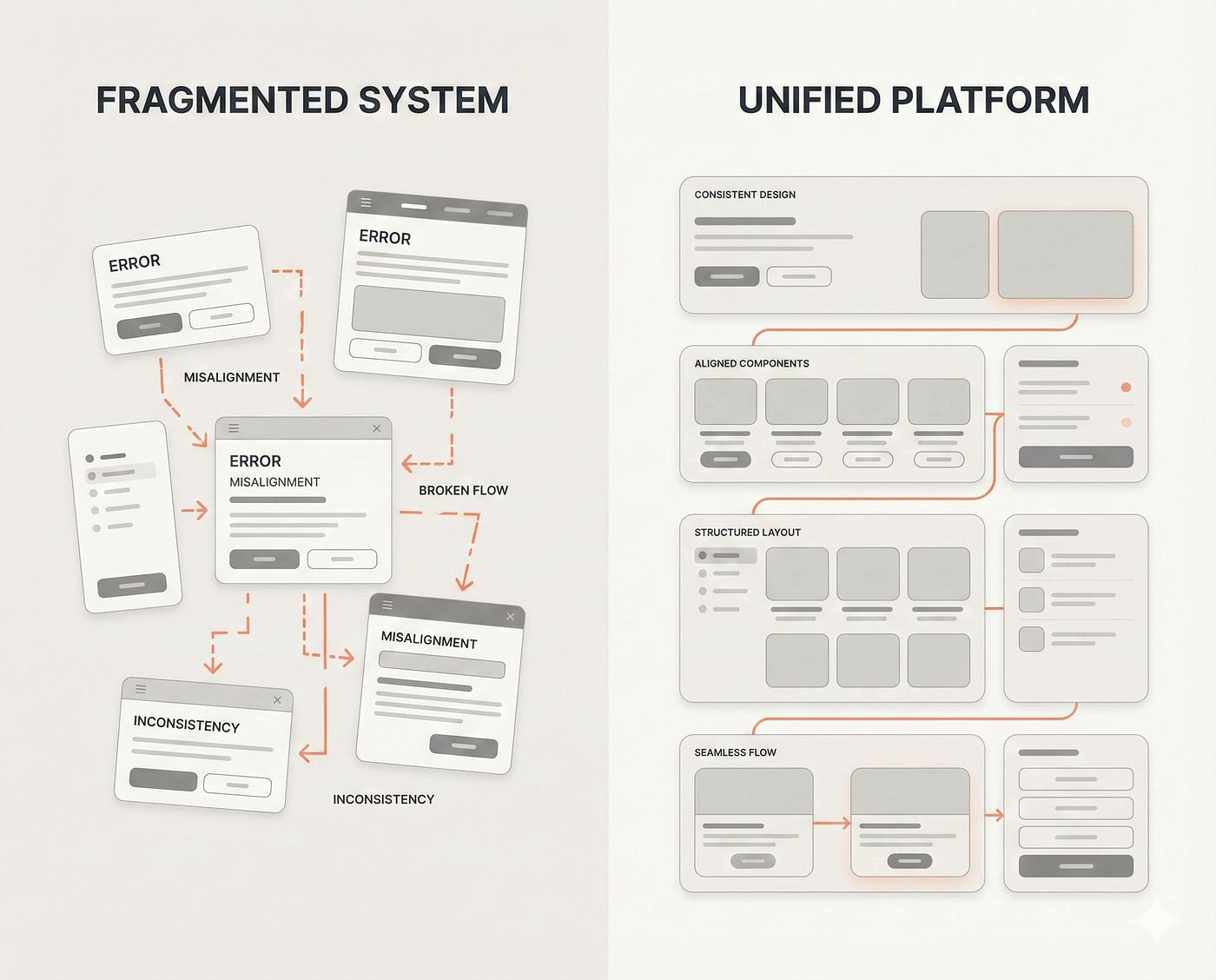
When these elements are disconnected, the experience becomes fragmented. When they are aligned, the brand becomes clear.
This is why strong brands are not built as individual assets, but as systems.
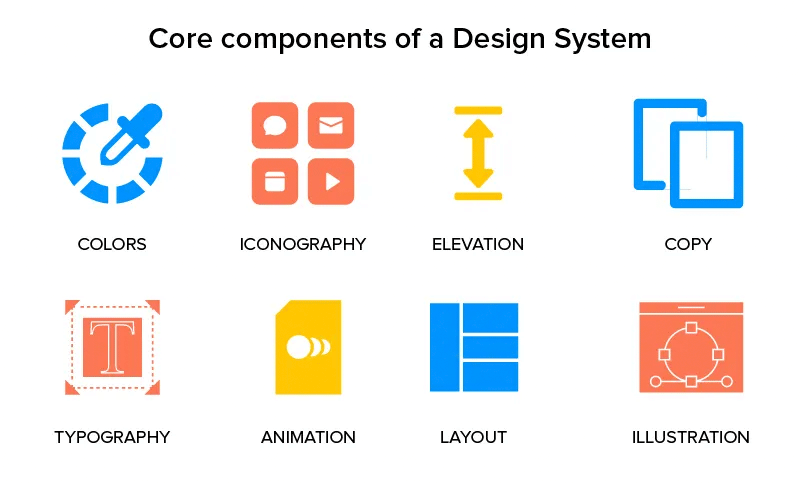
A design system acts as a shared source of truth, bringing together components, guidelines, and tools so teams can create consistent experiences across platforms.
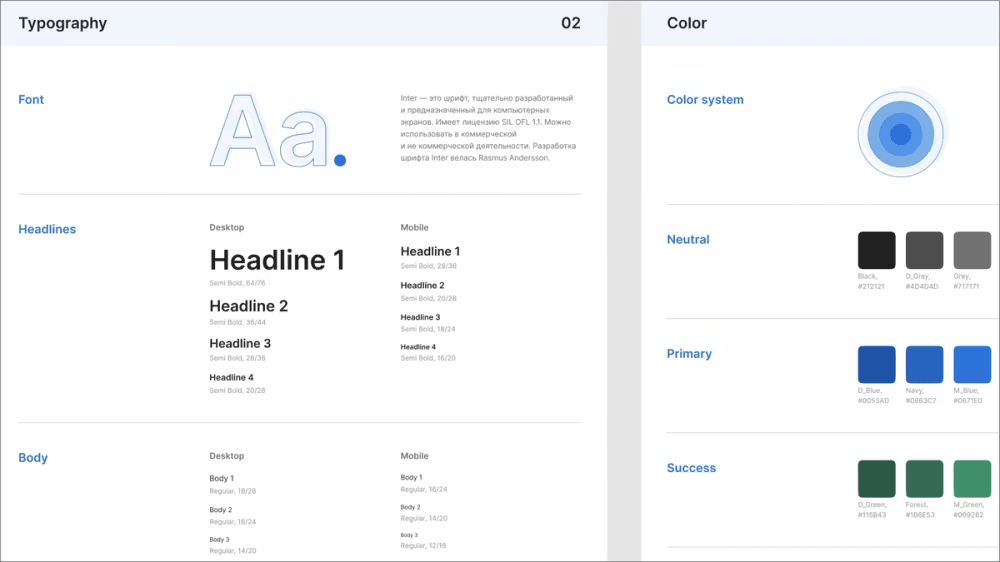
As Creative Director Dan Mall explains, strong brands are built through systems that scale across teams, platforms, and touchpoints.
Why Websites Alone Fall Short
A website is static compared to how people actually experience a brand.
It cannot fully represent:
• how your team communicates
• how your materials are used in real-world settings
• how your story evolves across different audiences
Even from a business perspective, a website is only one part of a broader communication ecosystem, alongside social channels, content, and direct interactions.³
When organizations focus only on the website, they often overlook the environments where their brand is actually experienced.
Designing for Consistency and Trust
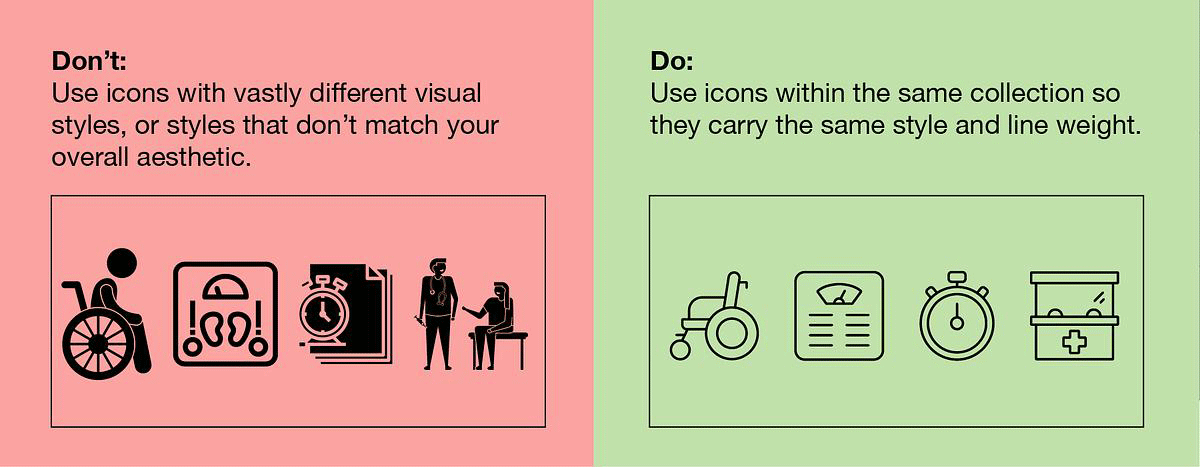
Consistency is not about repetition. It is about coherence.
A strong brand system ensures that:
• a slide deck
• a website
• a brochure
• a trade show booth
All feel like part of the same conversation.
In my work with Aurion Biotech, this meant developing a visual language that could extend beyond the website—into presentations, motion graphics, and patient-facing materials. The goal was not just visual alignment, but clarity across every point of interaction.
For MicroCures, the rebrand required a system that could communicate complex RNA-based science across scientific communications, digital platforms, and corporate materials—ensuring that the brand felt consistent whether viewed in a deck, a website, or a research context.
Consistency builds trust.
And in healthcare, trust is everything.
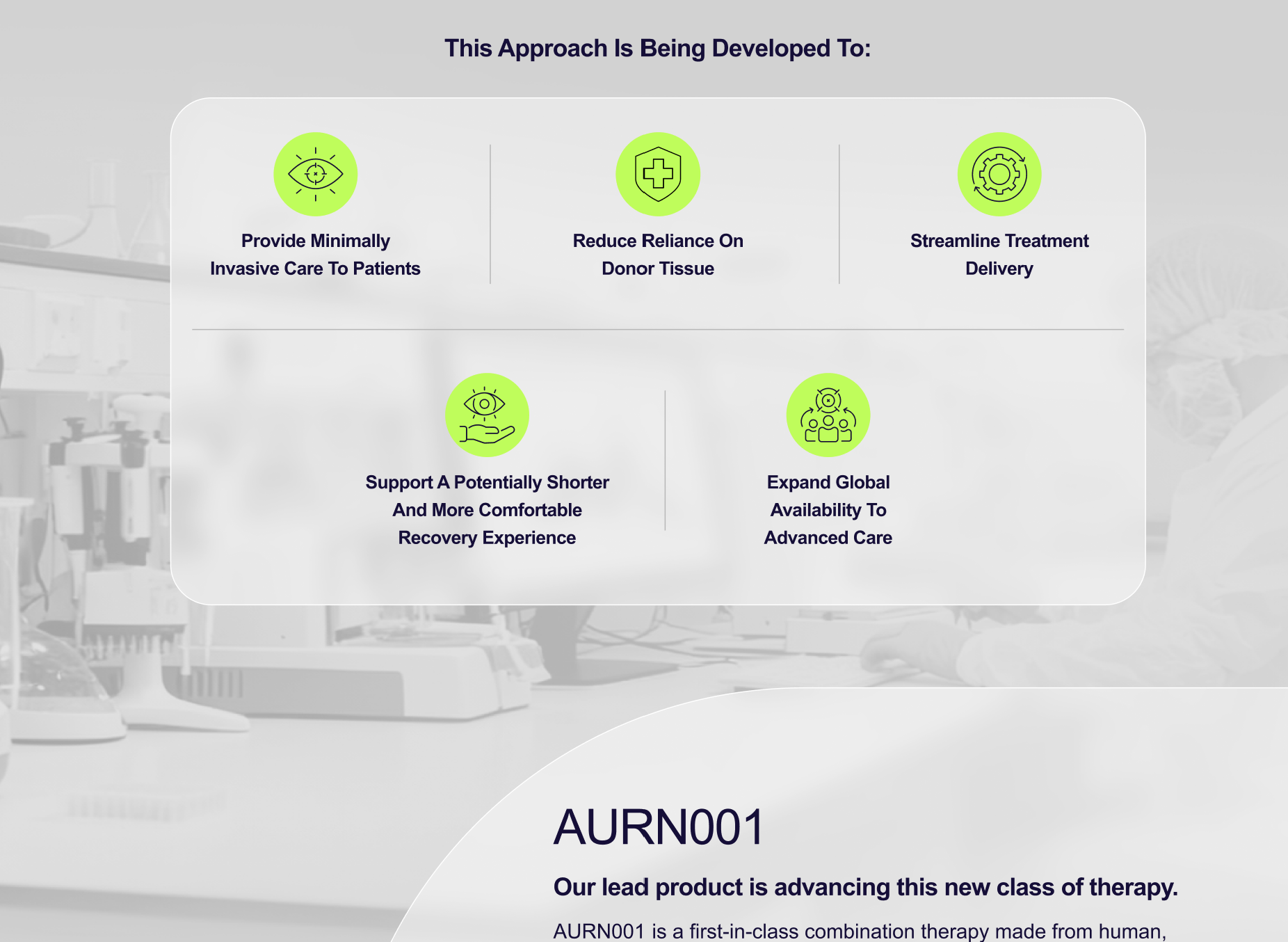
https://aurionbiotech.com/
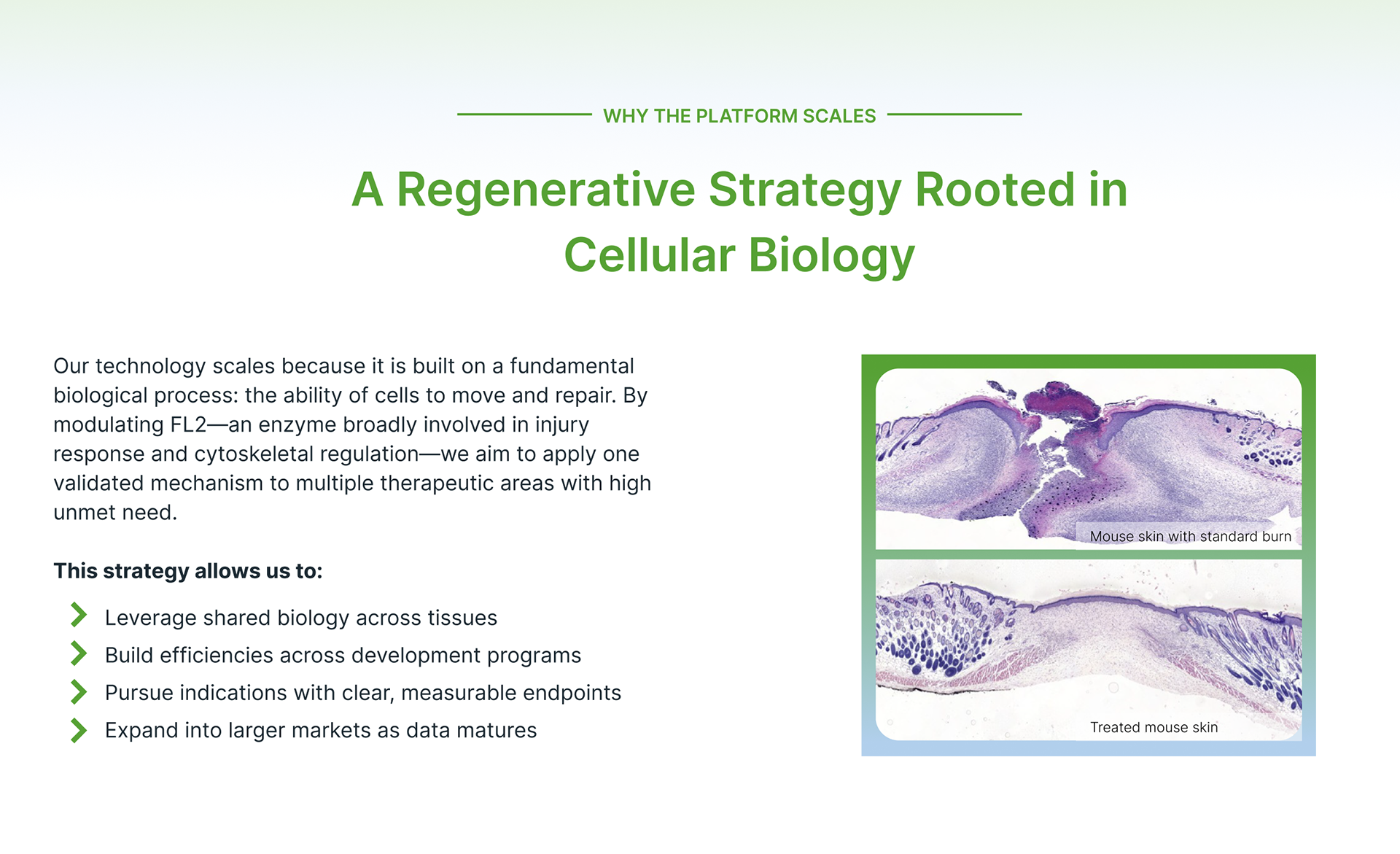
https://microcures.com/pipeline-other-applications/
From Deliverables to Systems
One of the biggest shifts in modern design practice is moving from:
designing outputs → to designing systems
Instead of asking:
“What should the website look like?”
The more important question becomes:
“How does the brand communicate across everything it touches?”
This includes:
• typography systems
• color systems
• layout frameworks
• illustration styles
• motion language
These elements create a foundation that extends far beyond a single platform.
https://medium.com/@hashbyt/building-without-design-systems-hidden-costs-8725dbf9398c
https://medium.com/%40nasir-ahmed03/everything-you-need-to-know-about-design-systems-555be88d3929
https://blog.thenounproject.com/how-to-design-an-effective-infographic-with-icons/
A Practical Perspective
In my work, the website is never the starting point.
It is one part of a larger system that includes:
• brand identity
• communication design
• presentation systems
• marketing materials
• environmental design
The goal is not just to design something that looks good in isolation, but to create a cohesive language that works across contexts.
Because that’s how people actually experience a brand.
Why This Matters
When a brand is treated as a collection of assets, it becomes inconsistent.
When it is treated as a system, it becomes clear.
And clarity leads to:
• better understanding
• stronger trust
• more effective communication
A well-designed website can attract attention. A well-designed system sustains it.
Closing Thought
A website is a moment.
A brand is an experience.
And the most effective design doesn’t live in one place. It lives across everything.
References and Further Reading